Skop
The Skop Story
A memo on Kim, Skōp, and the rarest kind of founder story
Last week, Peloton acquired Skōp — the smart Pilates reformer Kim spent more than six years building as a solo founder. The official release credits "differentiated technology and specialized knowledge," frames Pilates as a category "ripe for the same kind of experiential reinvention we brought to cardio," and folds a small company neatly into a big one's R&D narrative.
It's a good outcome. But it isn't the story.
The story is what it took to get there. So I'm writing an addendum to the one that went out.
Female Founder Baddie
Kim went into labor eight days early, at 1:20 in the morning. On the way to the hospital, she noticed the lawyers had sent over signature requests for the acquisition's closing documents. She signed during active labor, three and a half hours before her baby was born. When she finally looked at her phone — baby in hand, 6:30 a.m. — the New York team, three hours ahead, had already started sending employee onboarding meeting requests to her calendar. She sent a few ‘get back to you shortly’ texts and a few hours later, the laptop was open and firing.
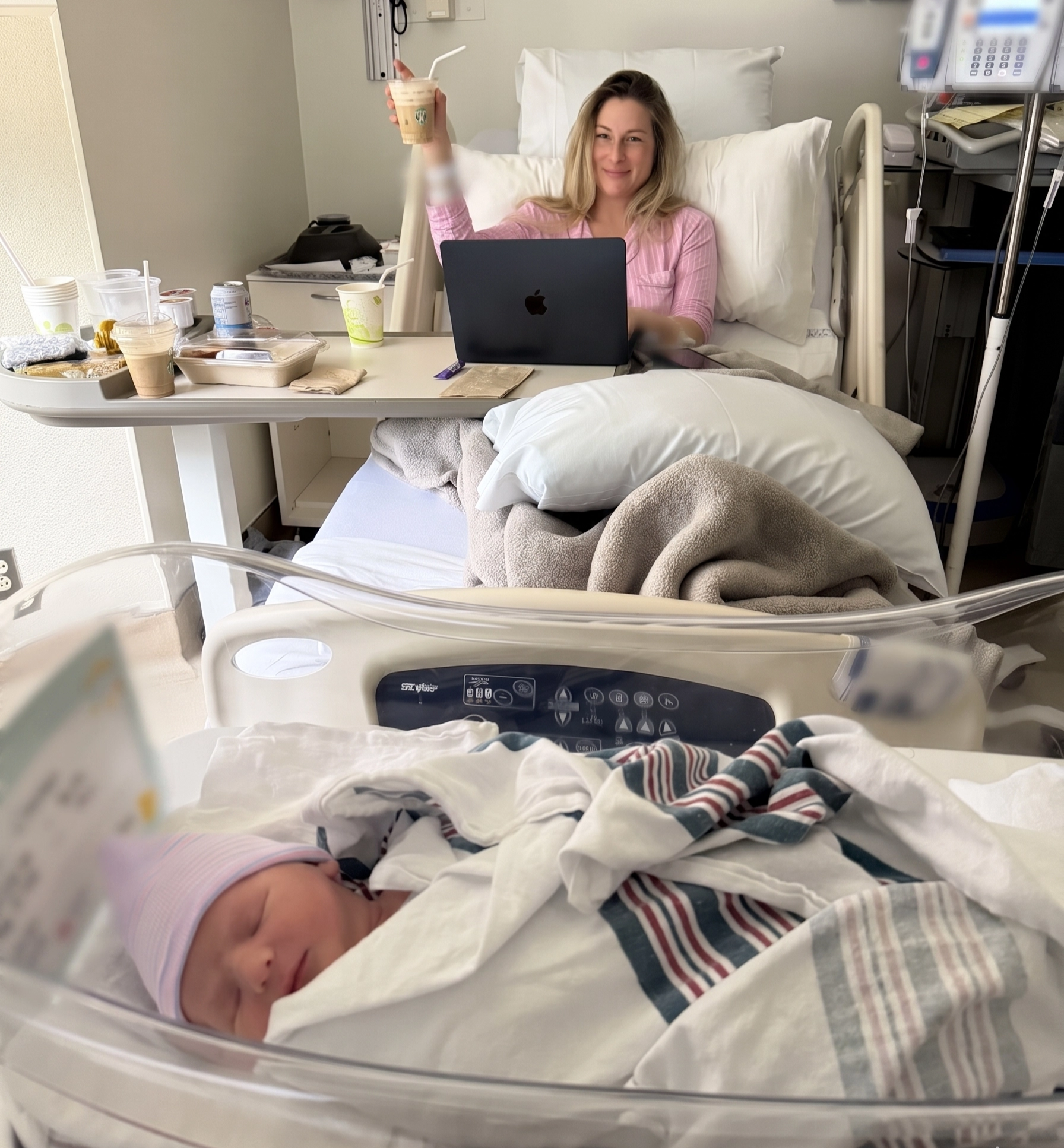
I want to let that sit, because we've collectively agreed to clap politely at "work-life balance" and move on, and this deserves more than polite clapping. She was hustling into the Red Zone of a deal closing and delivering a baby within the same twenty-four hours, and presented neither as remarkable.
That is not a story about hustle. Hustle is a posture. This is something else — a capacity a lot of people talk about and very few actually have. The ability to hold an enormous thing in one hand and an enormous thing in the other, and not drop either.
If you ever needed a single image for the power of women in building, it's that one.
No product experience. No hardware experience. No consumer marketing XP.
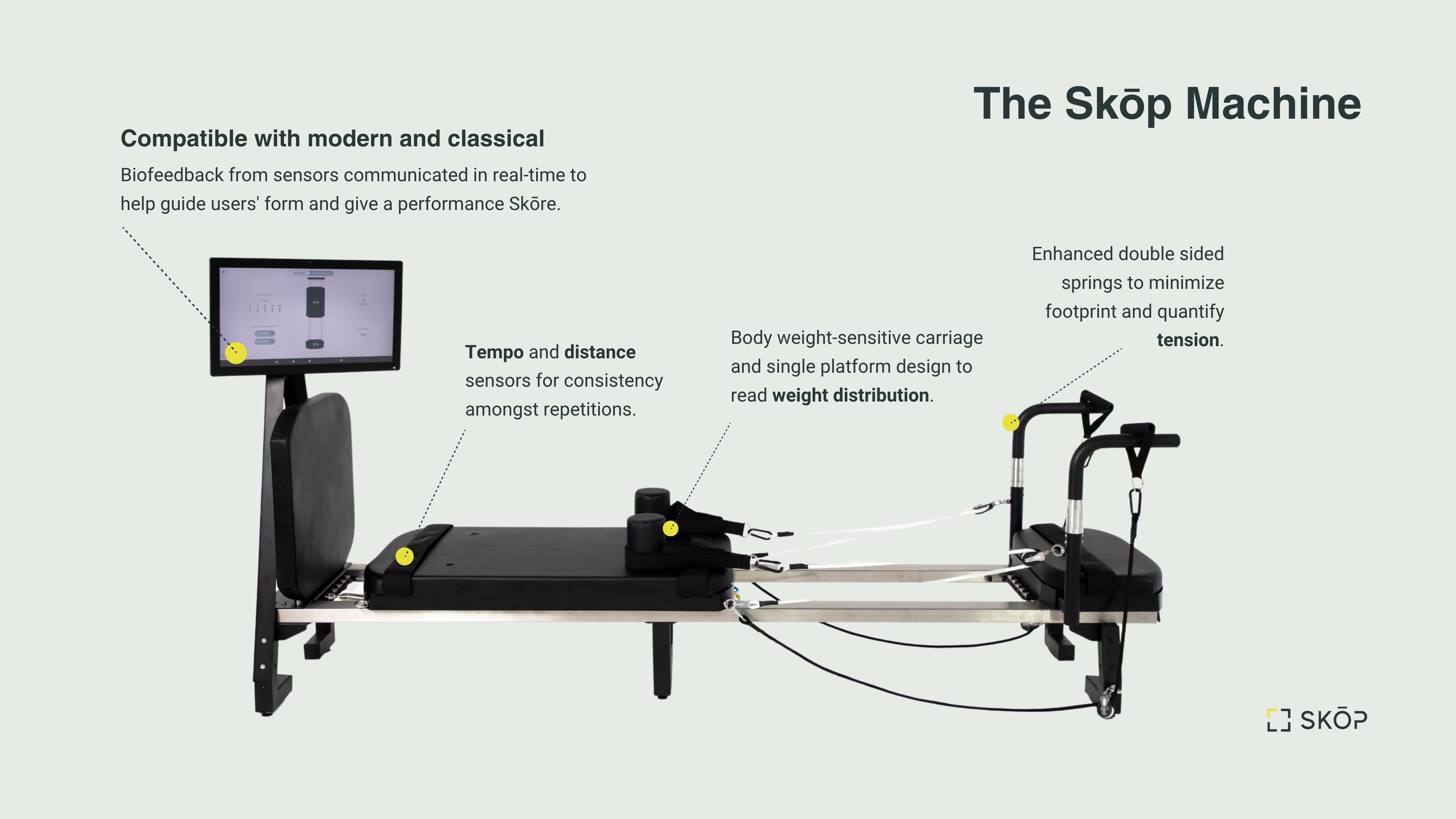
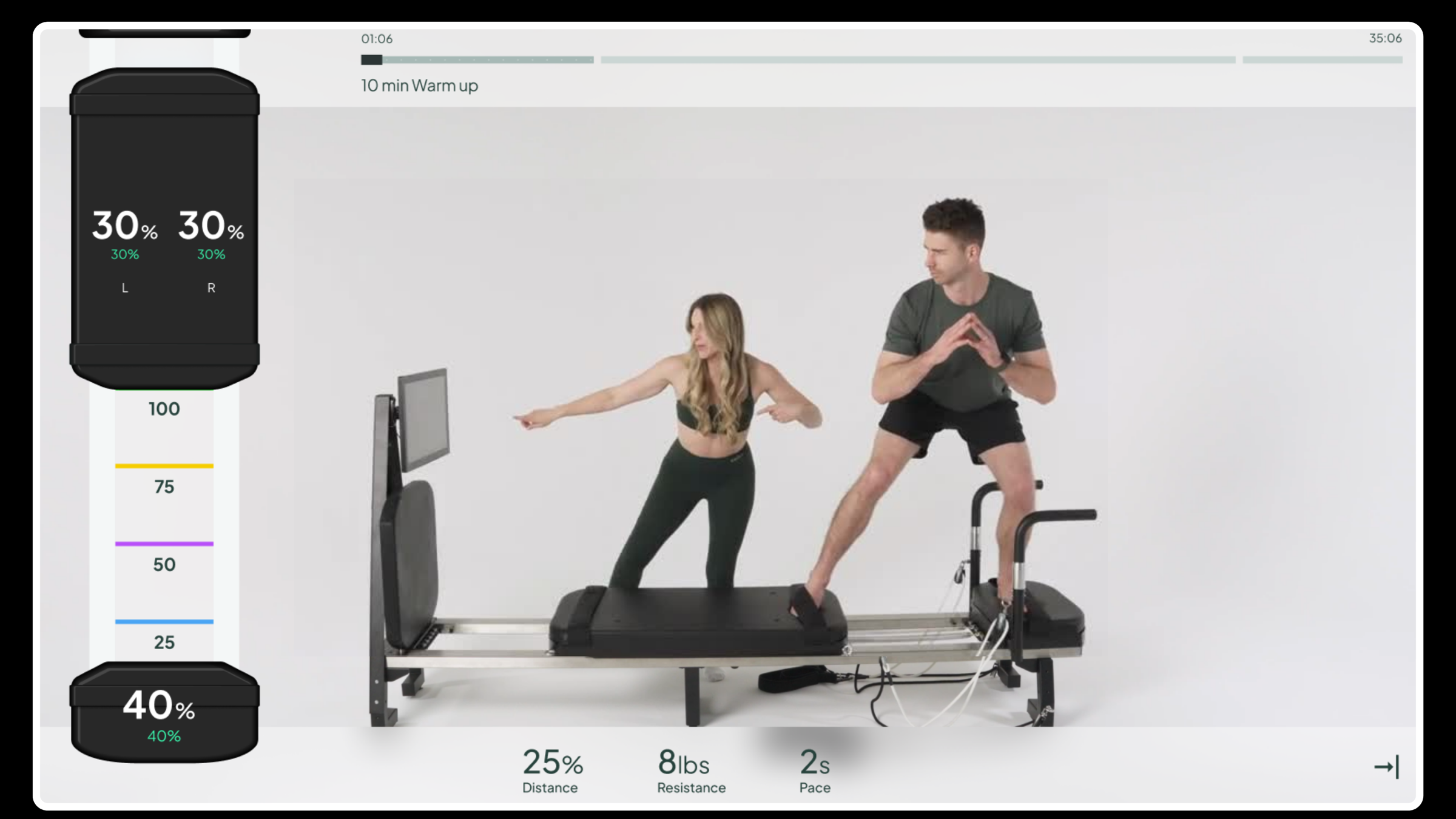
Kim is a doctor of chiropractic and, certified athletic trainer — someone who spent years with her hands on real bodies, watching people compensate, overload one side, and get hurt doing an exercise that was supposed to heal them. The machine she built — a reformer that reads your weight distribution, your tempo, your tension, your range of motion and tells you in real time when your form is off — is not a gadget bolted onto a workout. It's a clinician's eye, productized. She built the thing she wished she'd had while teaching a room full of people she couldn't watch all at once.
That's the difference between a founder who found a market and a founder who was the market's missing expert.
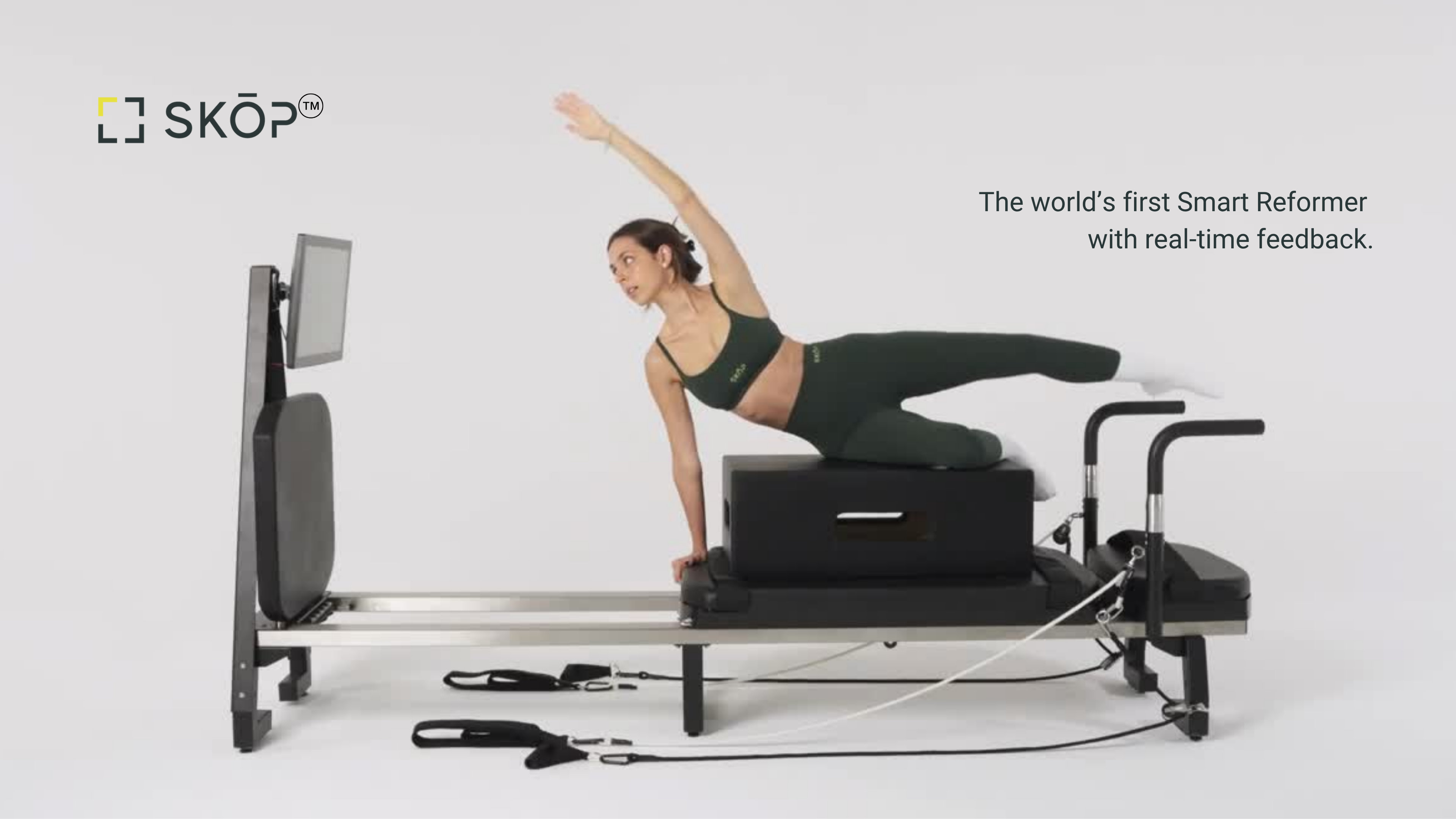
She built consumer hardware. Solo. For three years.
The word "founder" has lost its weight, so I want to restate the difficulties here.
Software founders can iterate their way to product-market fit on a laptop. Hardware founders cannot. Hardware means tooling, bills of materials, suppliers, tolerances, certifications, freight, inventory, defects you can't patch over the air, and capital that walks out the door months — sometimes years — before a dollar walks back in. Consumer hardware is harder still. You're not selling to a procurement department that tolerates rough edges. You're selling to a person in their home who expects the thing to look beautiful, feel safe, and work the first time, every time.
Now do that as a category of one. For five years. Who do you split the 2 a.m. doubt with?
Tom: A shining case of investor-as-fractional co-founder
The other person I want in the spotlight is Tom Bergmann.
Tom came in as an investor three years in — and then did the thing investors say they'll do and almost never actually do. He became a fractional co-founder. Not a board observer who shows up quarterly with opinions. A partner. A partner who asked for no title in return, because he understood how rare and how powerful a solo female founder is — and he wanted the story to stay hers.
"We talk every day," Kim told me.
I'll be honest: as a founder myself, I've been skeptical of the "investor as part-time co-founder" model for years. The incentives are fuzzy, the time commitment evaporates the second the wire clears, and the founder ends up managing the investor instead of the business. Tom is the counterexample. He proves the model works when the person actually means it — when "I'm in this with you" is a daily practice, not a term-sheet flourish. For a solo founder who carried the thing alone for three years, having one person finally in the boat, rowing, every day, is not a small thing. It might be the thing.
The studio plus the side hustle
While she was building, she was also running her practice. She built her own office in LA South Bay, ran it, and saw physical-therapy clients on the side to keep the lights on — taking zero salary out of the company's capital. With relentless support from her husband Cody, Kim started a business, got engaged, planned a wedding, go married, and had two children, all inside the life of this one company. Solo-female-CEO-in-consumer-hardware stories are rare to begin with. Add a full life lived at the same speed and you have something I've almost never seen.
I don't want to skate past Cody, because "supportive spouse" has become a throwaway line and it shouldn't be. A solo founder building capital-intensive hardware on almost no salary needs a partner who absorbs the risk that never shows up on a cap table. He did. That's part of how this got built.
The cap table, and the original team who did the right thing
Now the part that's less romantic and, in its own way, just as important — because I was there for the beginning of it.
The company didn't start with one founder. It started with six. There's an original first call I can point to where the whole thesis gets laid out, and the energy is exactly what you'd expect: a circle of believers, everyone in, everyone a "founder." I was on the first board, so I had a front-row seat to the excitement and to the structural problem sitting underneath it.
The problem was this: six people each held an equal 16.67%, and each had put in a small check — let’s say around the cost of a pair of Peloton Bikes. On paper, six equal founders. In reality, only one person — Kim — was working on the business full time. A company can survive a lot of things in its early life. It cannot survive a cap table that tells investors a false story about who is actually building it. No serious investor — certainly not someone like Tom — funds a company where the person doing all the work owns the same slice as five people who aren't. And to be clear, I'm not saying a multi-founder team is unhealthy — I had the privilege of watching a healthy 7-co-founder team at Drive.ai, later acquired by Apple. The issue was never the number. It was the mismatch between who owned the company and who was in a position to earn it through sweat equity at that stage.
Right-sizing that took real work, and it took grace. And here's what I want on the record: the original founders did the right thing. They let the cap table be corrected so ownership reflected contribution, so the company became fundable, so the one person carrying it could actually attract the capital and the partner it needed to grow. That is not an easy thing to agree to. It asks people to look honestly at their own role and put the company ahead of their paper stake. They did. The clean, investable cap table that Tom could finally say yes to exists because that original group chose the company over the optics. They deserve credit for it.
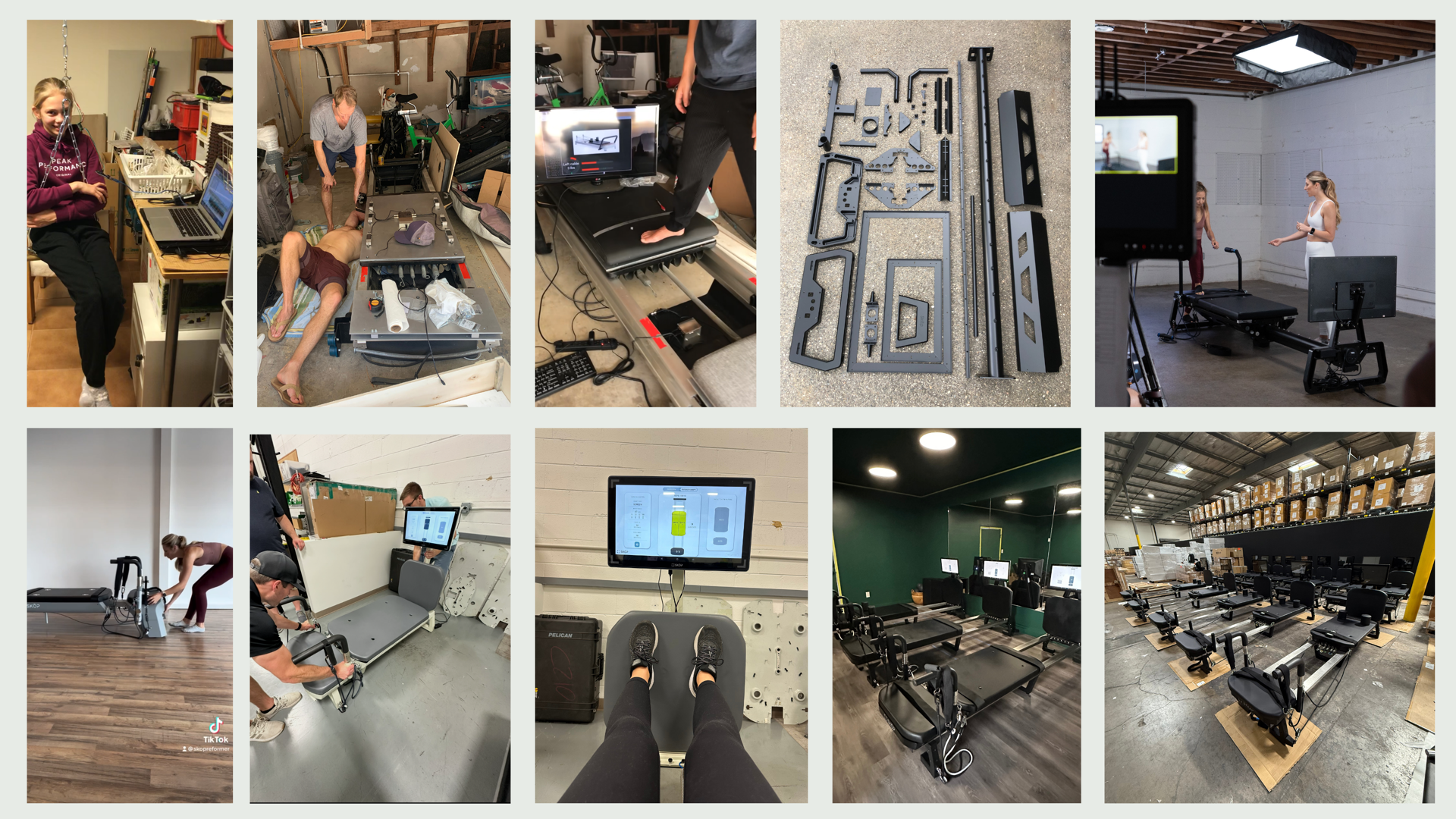
Where it began: a community, a dream, and an engineer who worked for free
For completeness, and because origins matter: the idea was first dreamed up by a husband-and-wife pair. He came from a manufacturing family, with a background spanning a Turkish factory floor, a run as an international basketball player, and a co-working space he founded in the South Bay. She's a Pilates instructor who trains celebrities and professional athletes. Together they imagined a connected reformer.
That dream pulled in a community — and the community is where Kim and Cody came in, alongside the engineer who put in countless unpaid hours in the earliest days, when there was nothing to pay him with and only a belief that the thing should exist. Every hardware company that ever ships has a few people like that in its prehistory: the ones who gave time before there was money, on faith. They rarely make the press release. They should be remembered anyway.
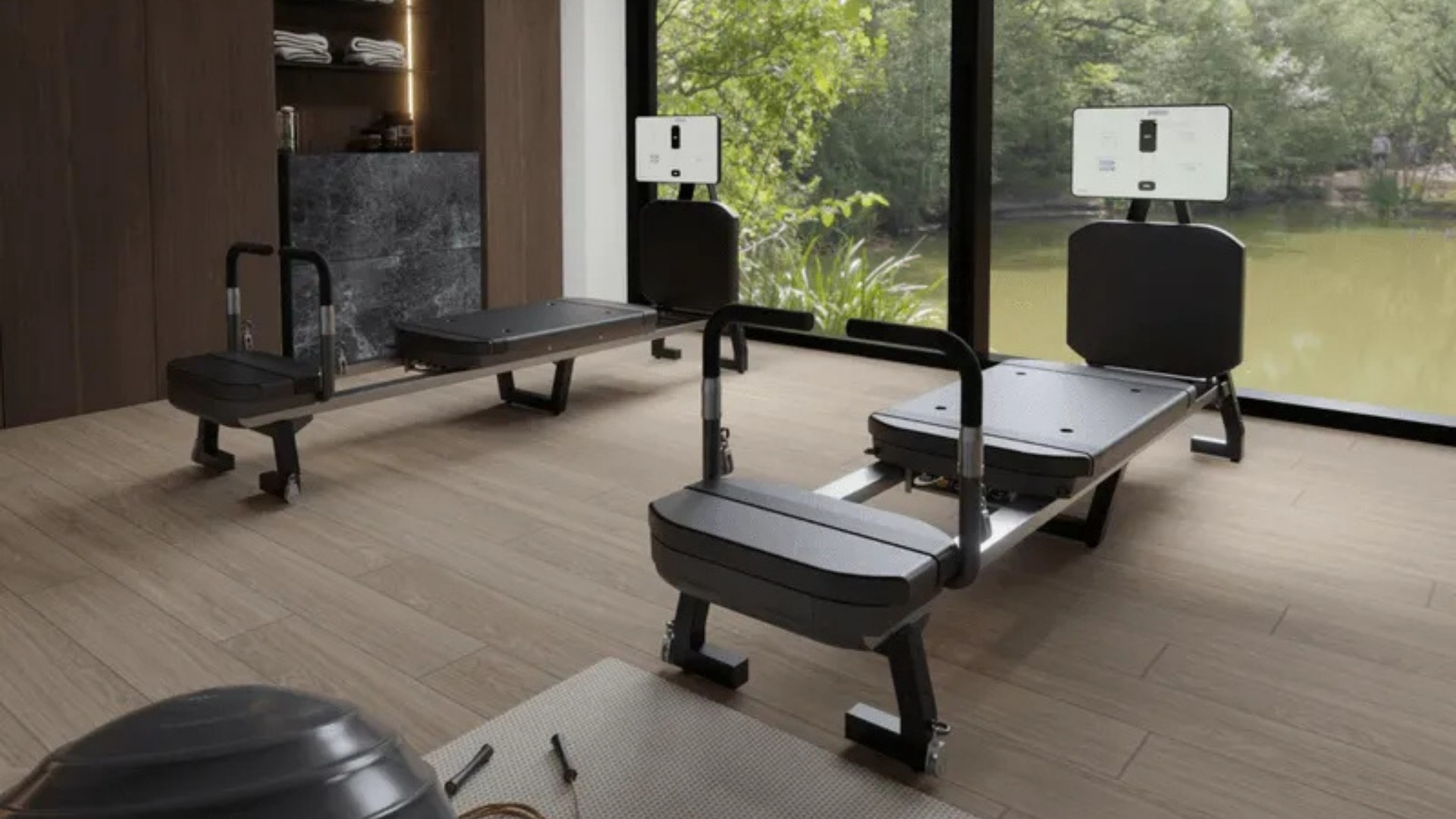
From that community of believers, one person carried it across the finish line.
The official release was written to serve a transaction. This one is written to serve the truth of how things actually get built — usually by one stubborn, capable person, backed early by a few who believed, funded by someone who actually showed up, and made possible by a group willing to put the company ahead of their own slice.
Her name is Kim. That's the story.