Automotive
Parrot — Automotive, North America
I was employee number three in the Americas office of a €350M Paris-based voice and Bluetooth company that almost nobody in North America had heard of — and that, for seven years, became my education in how to bring consumer hardware to mass market.
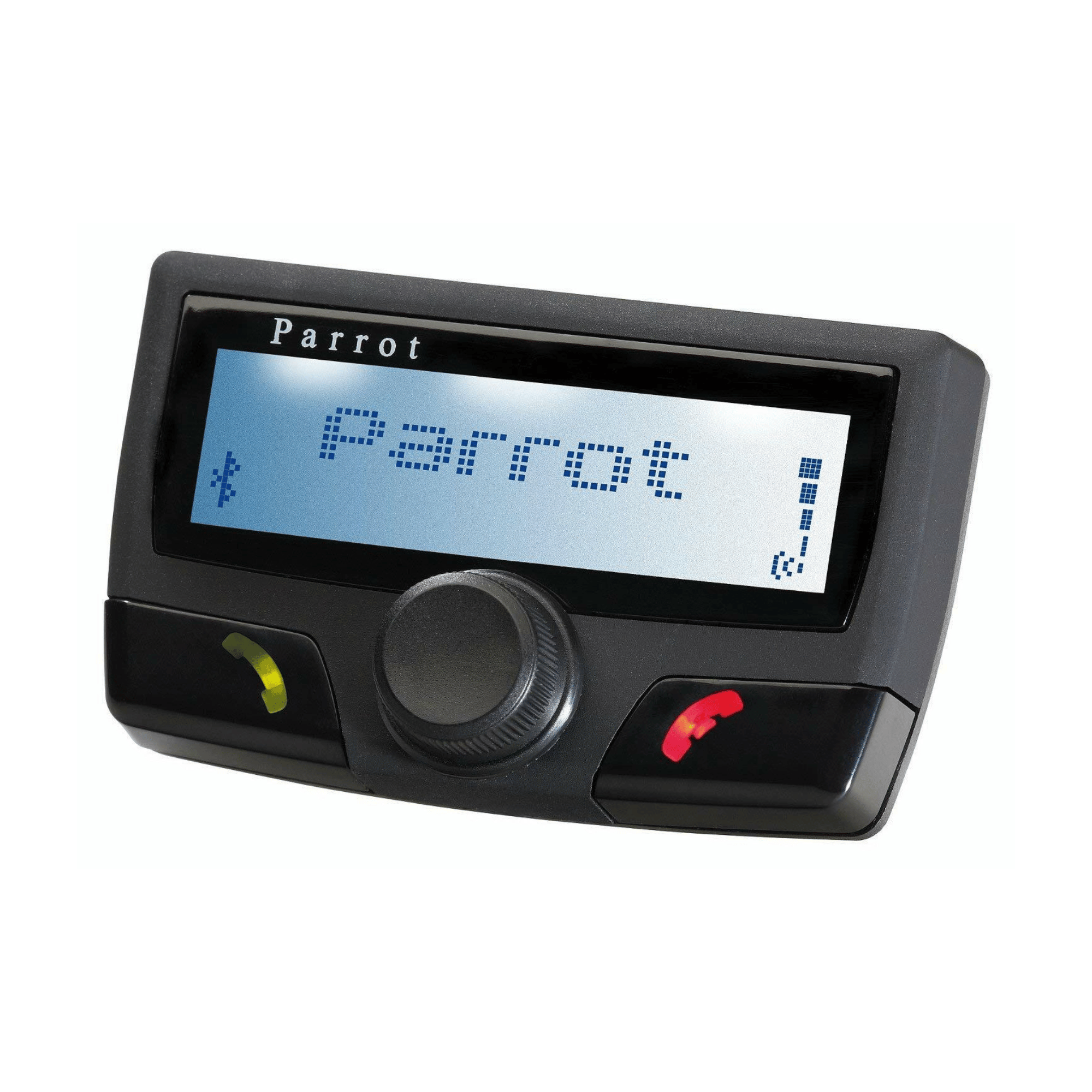
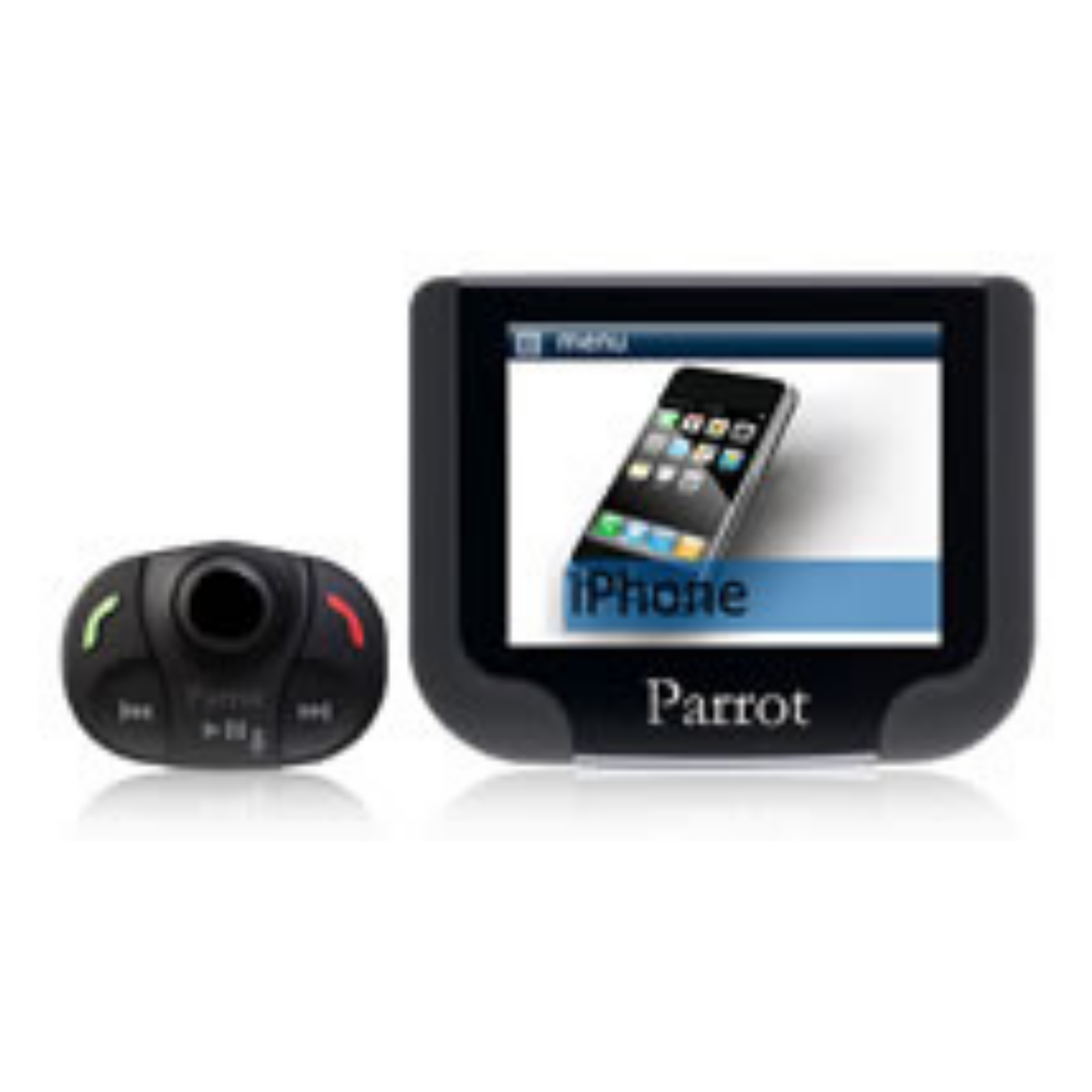
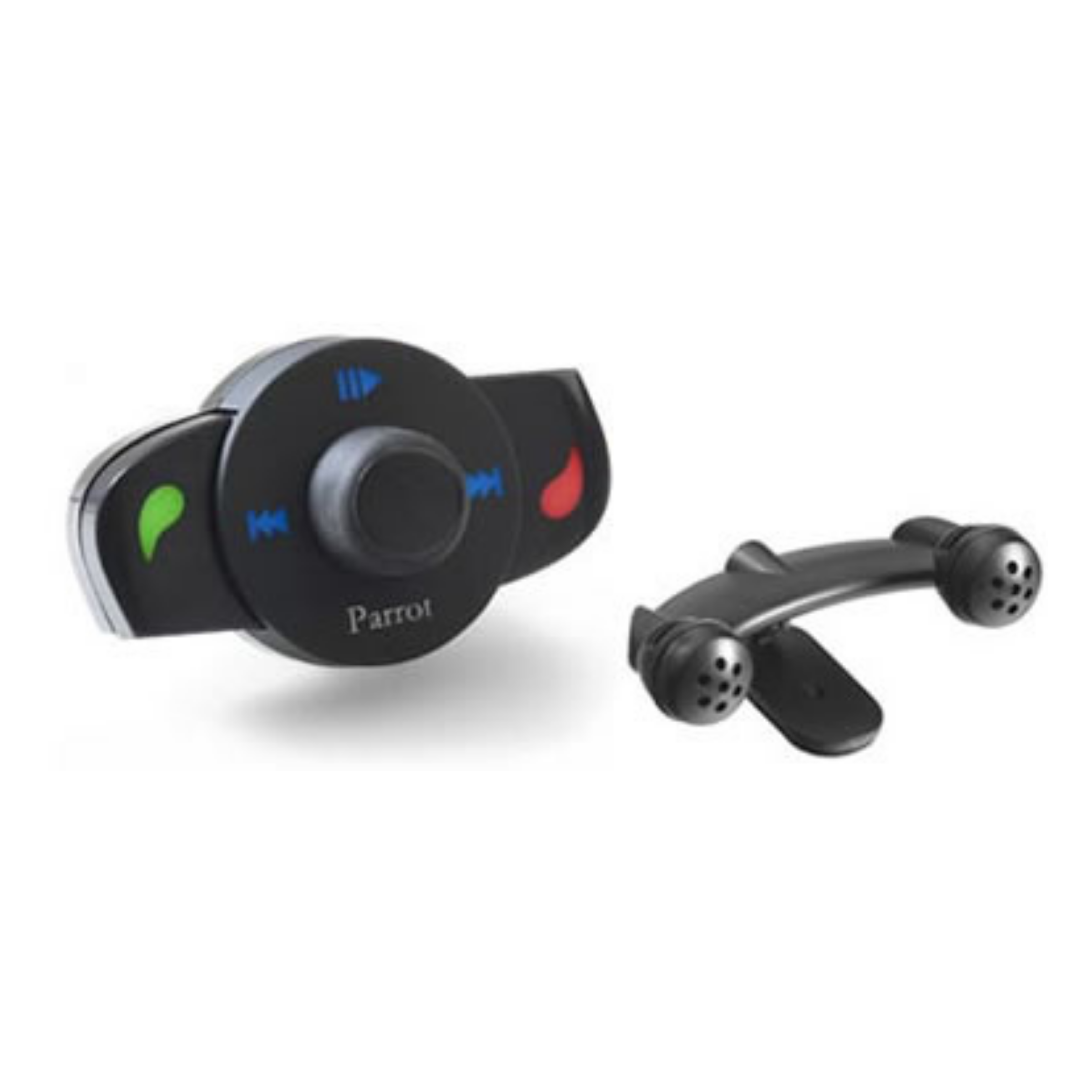
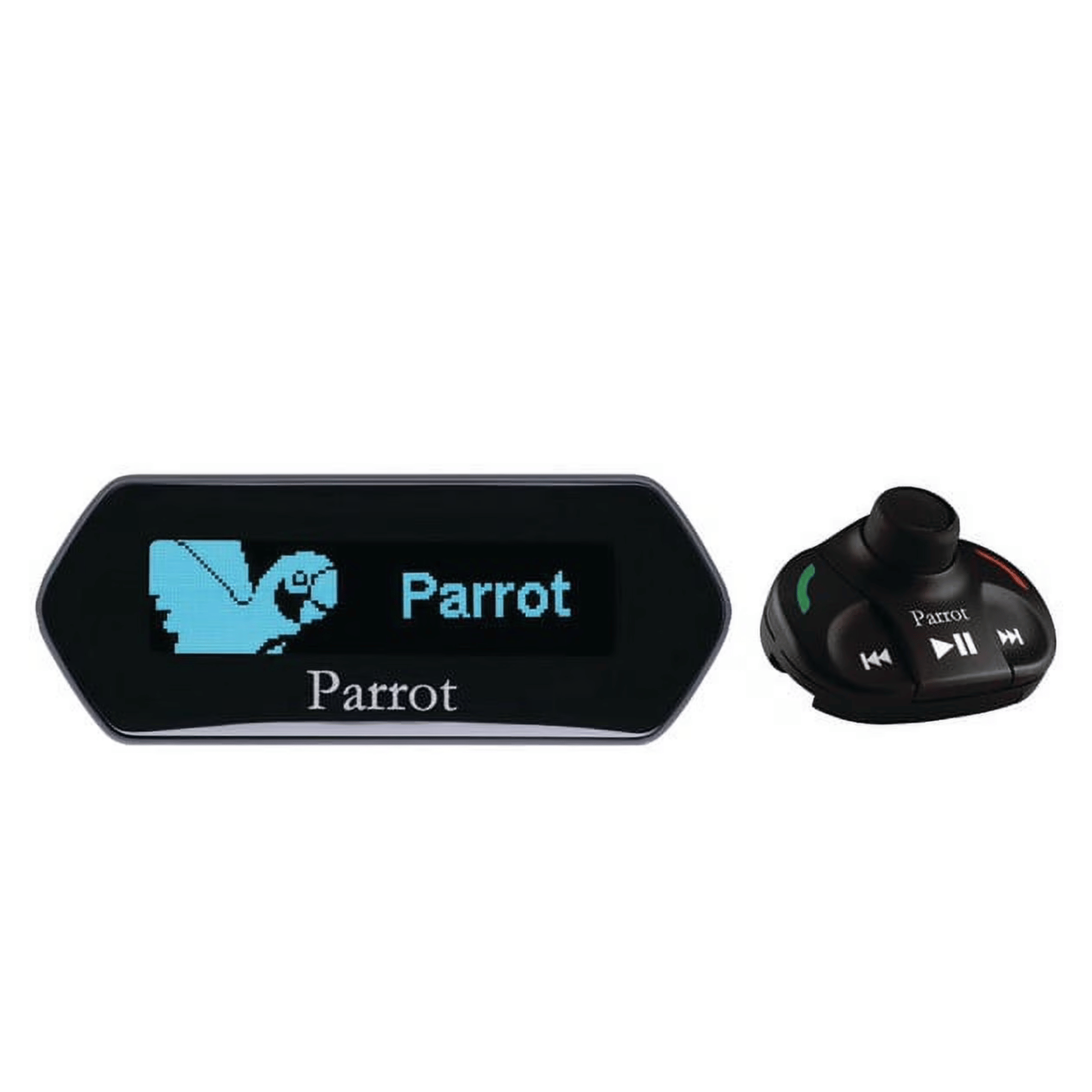
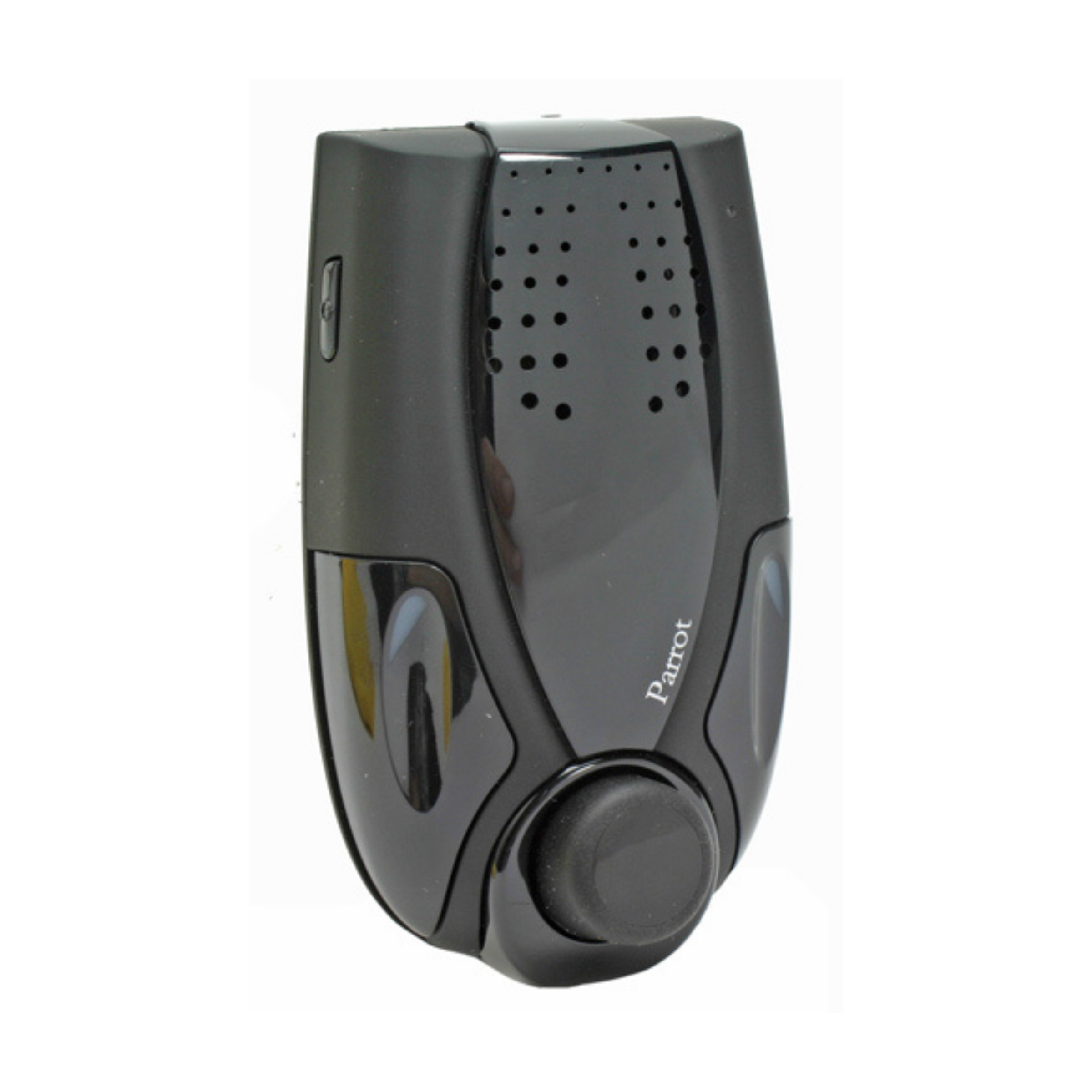
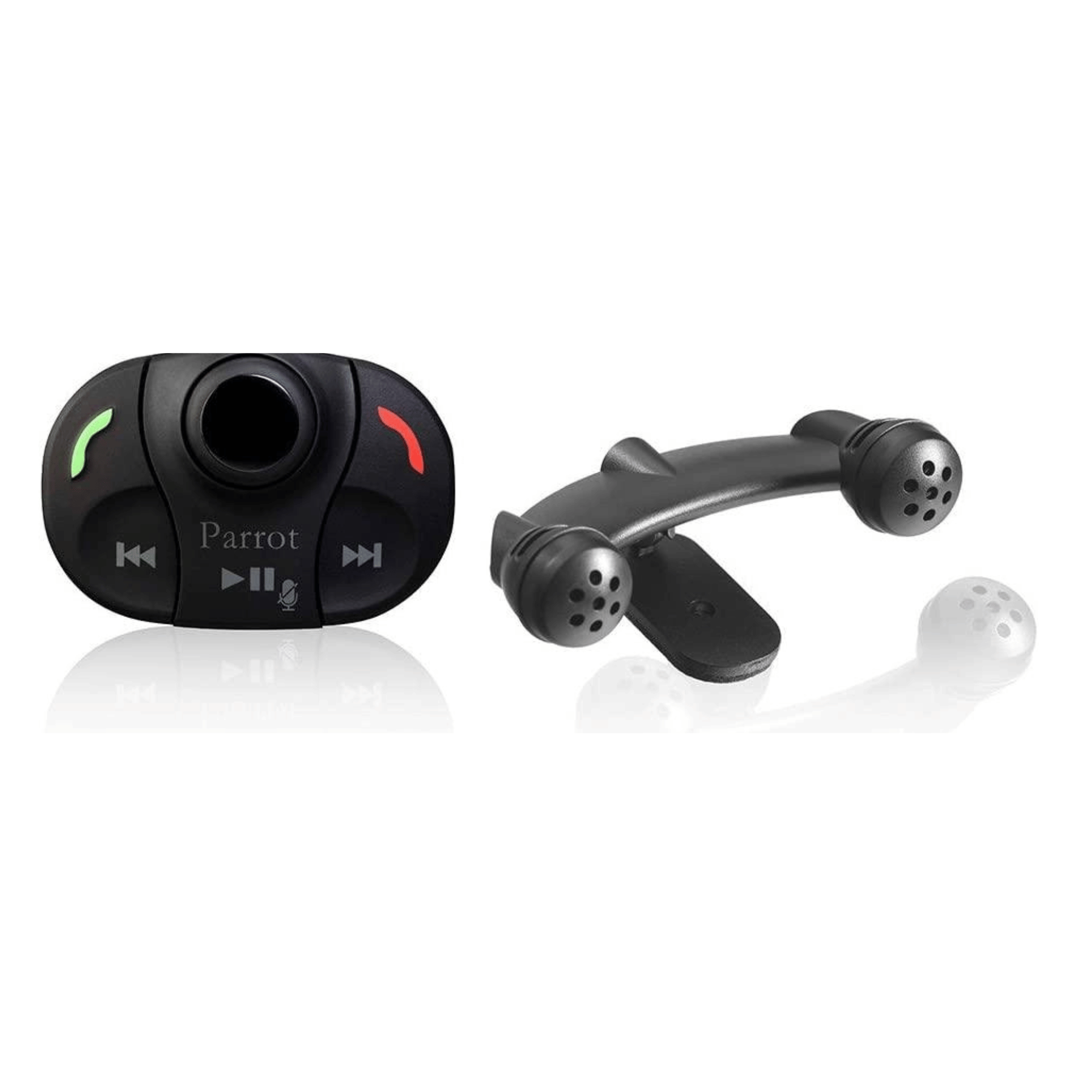
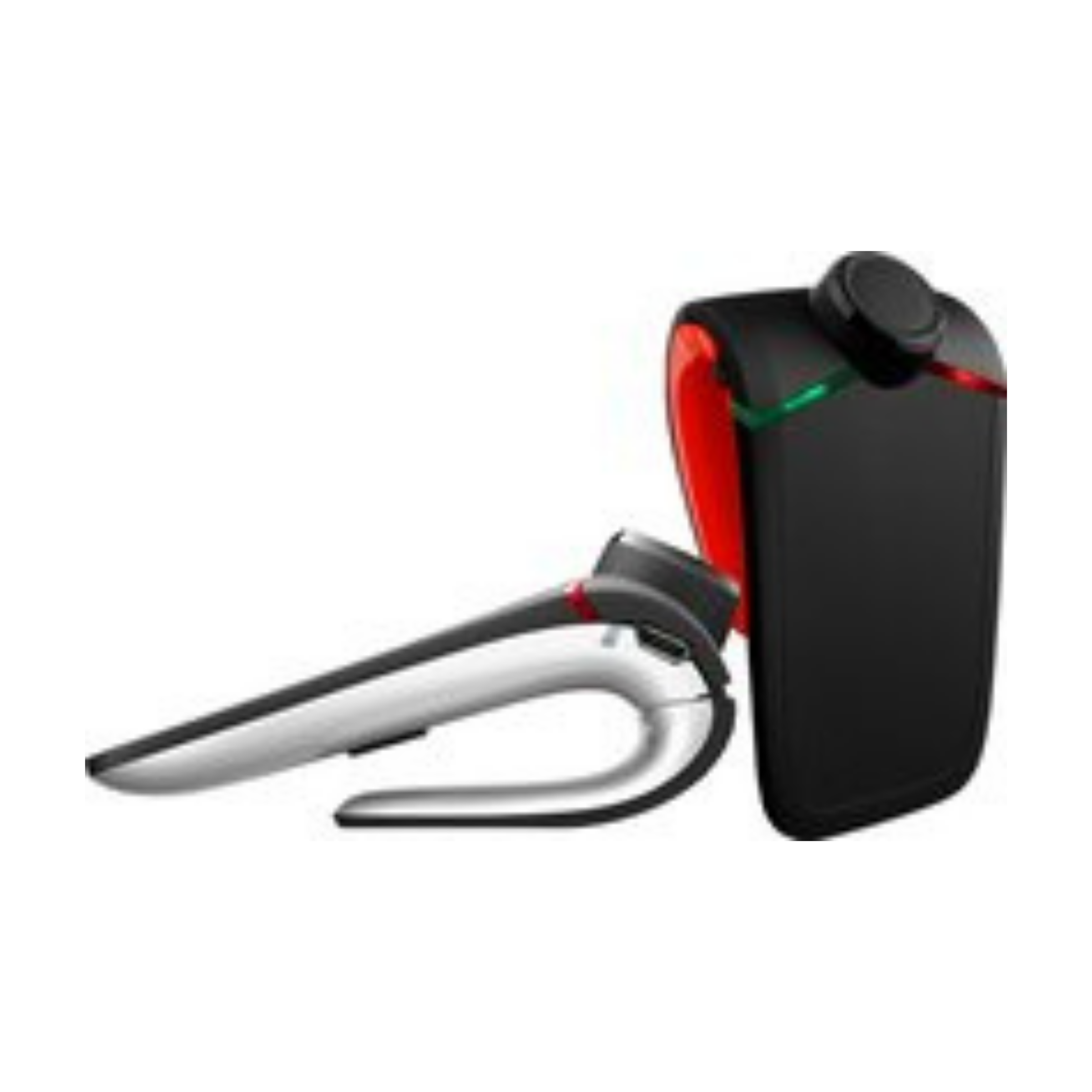
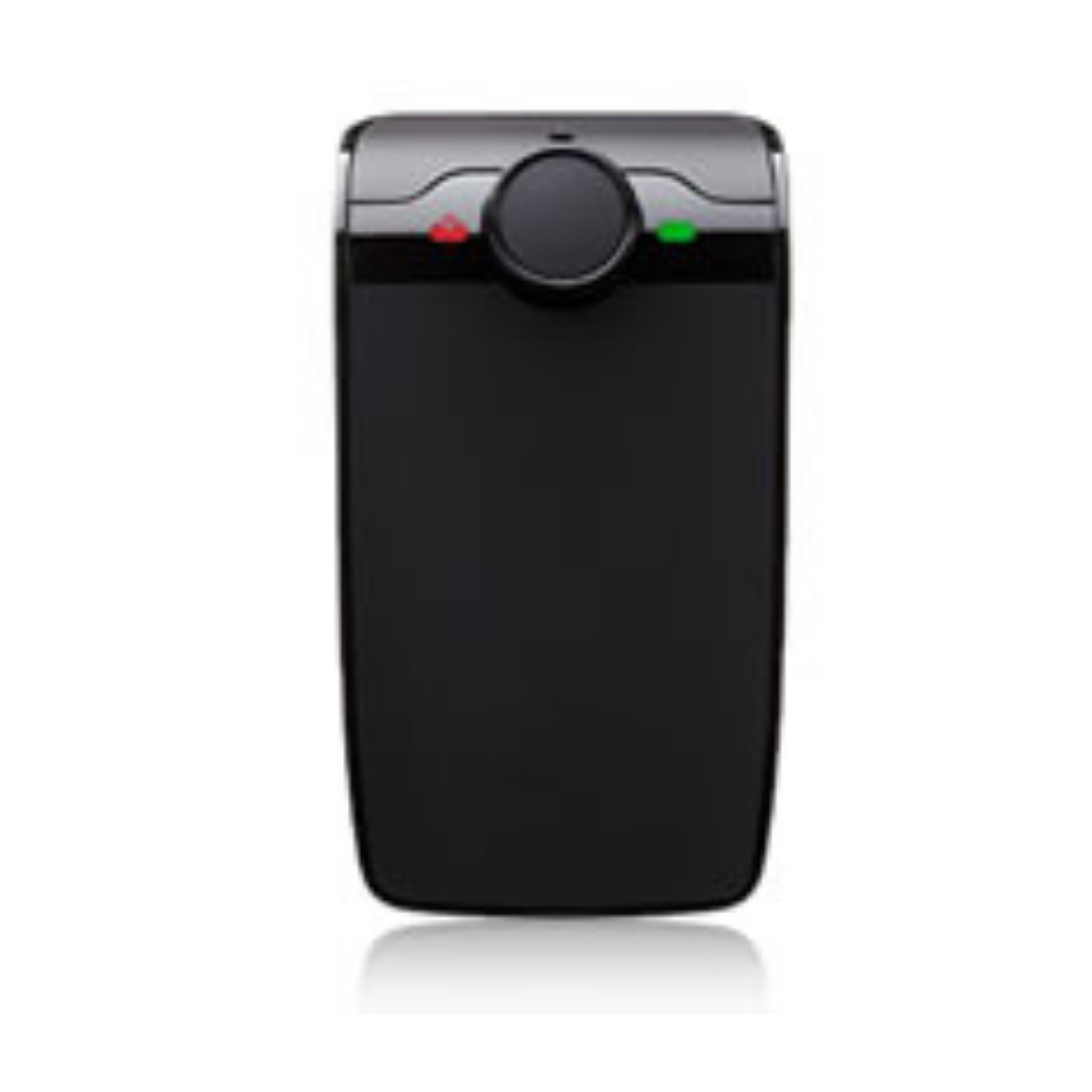
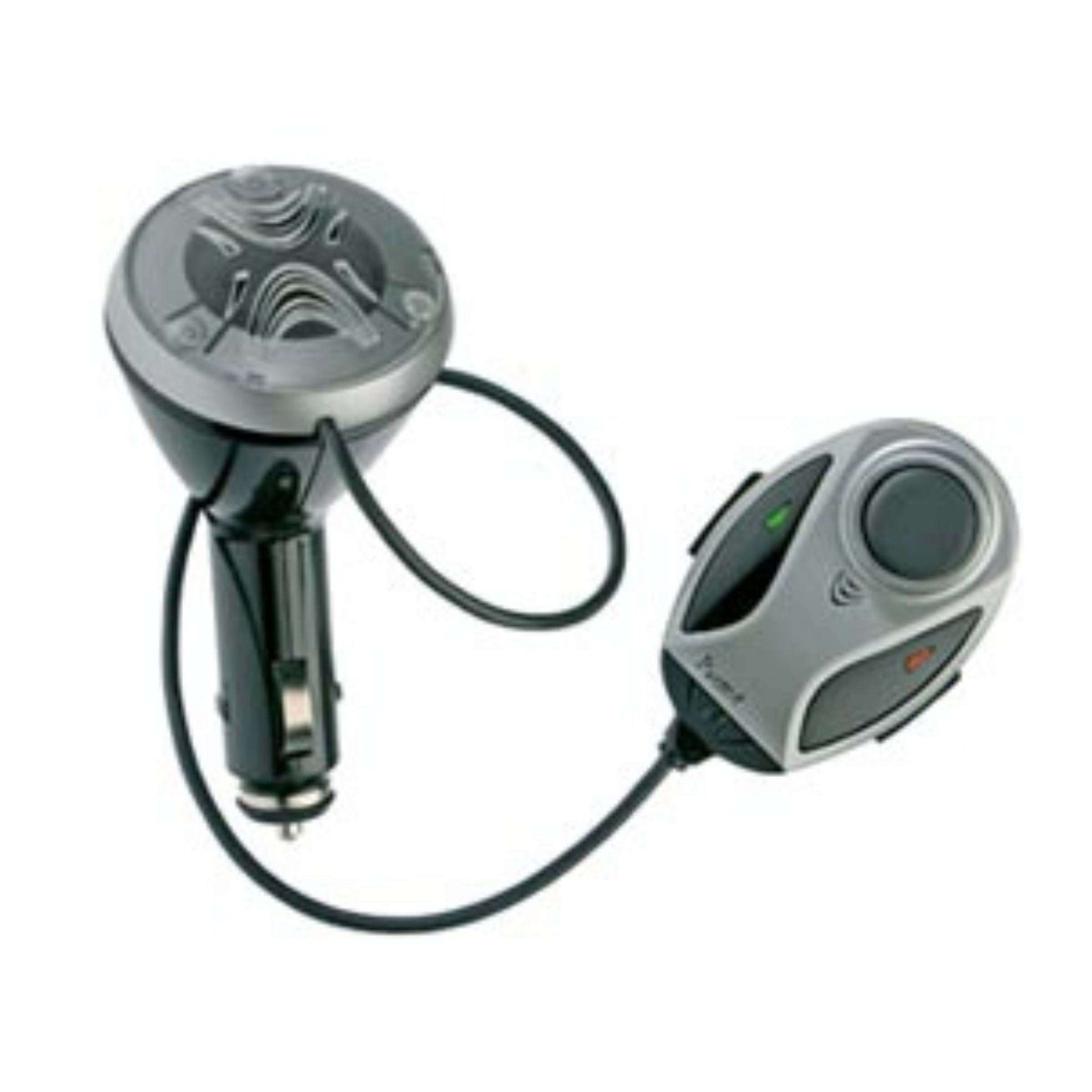
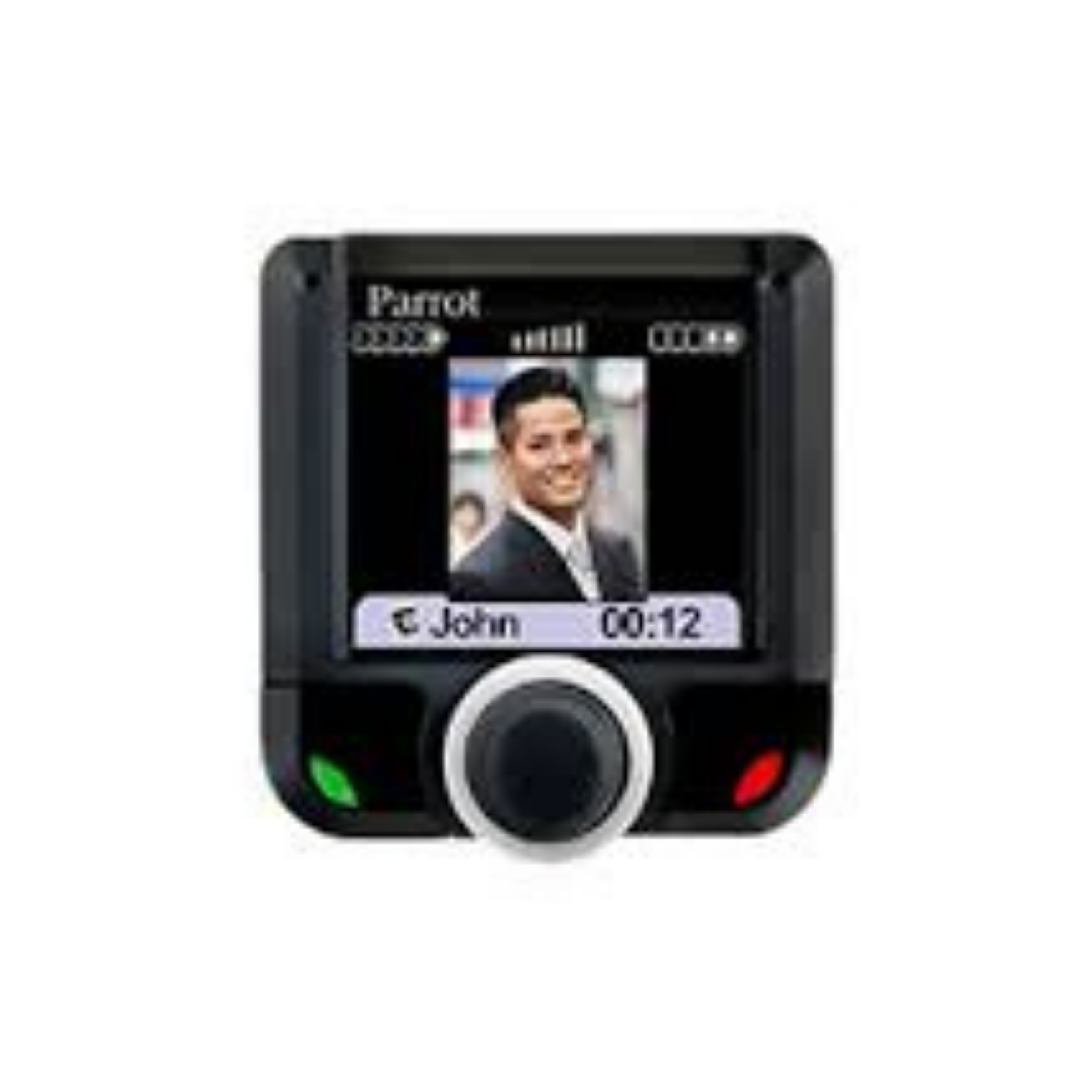
The automotive business was Parrot's original empire. Before the AR.Drone. Before the Zik headphones designed by Philippe Starck. Before any of the brand recognition Parrot would later collect. The company was the global leader in aftermarket Bluetooth car kits, and our CEO had decided the U.S. was the next conquest — a market that had never installed an aftermarket head unit at the volume Paris believed was waiting. My job was to prove him right.
I owned North American product marketing and launch for the entire aftermarket product line. CES every January, SEMA every autumn, both in Las Vegas. Press briefings I ran out of the Wynn. The retail footprint — Best Buy, COSTO, the 12-volt installer channel, and Amazon back when nobody took the auto category seriously — was mine to build, account by account.
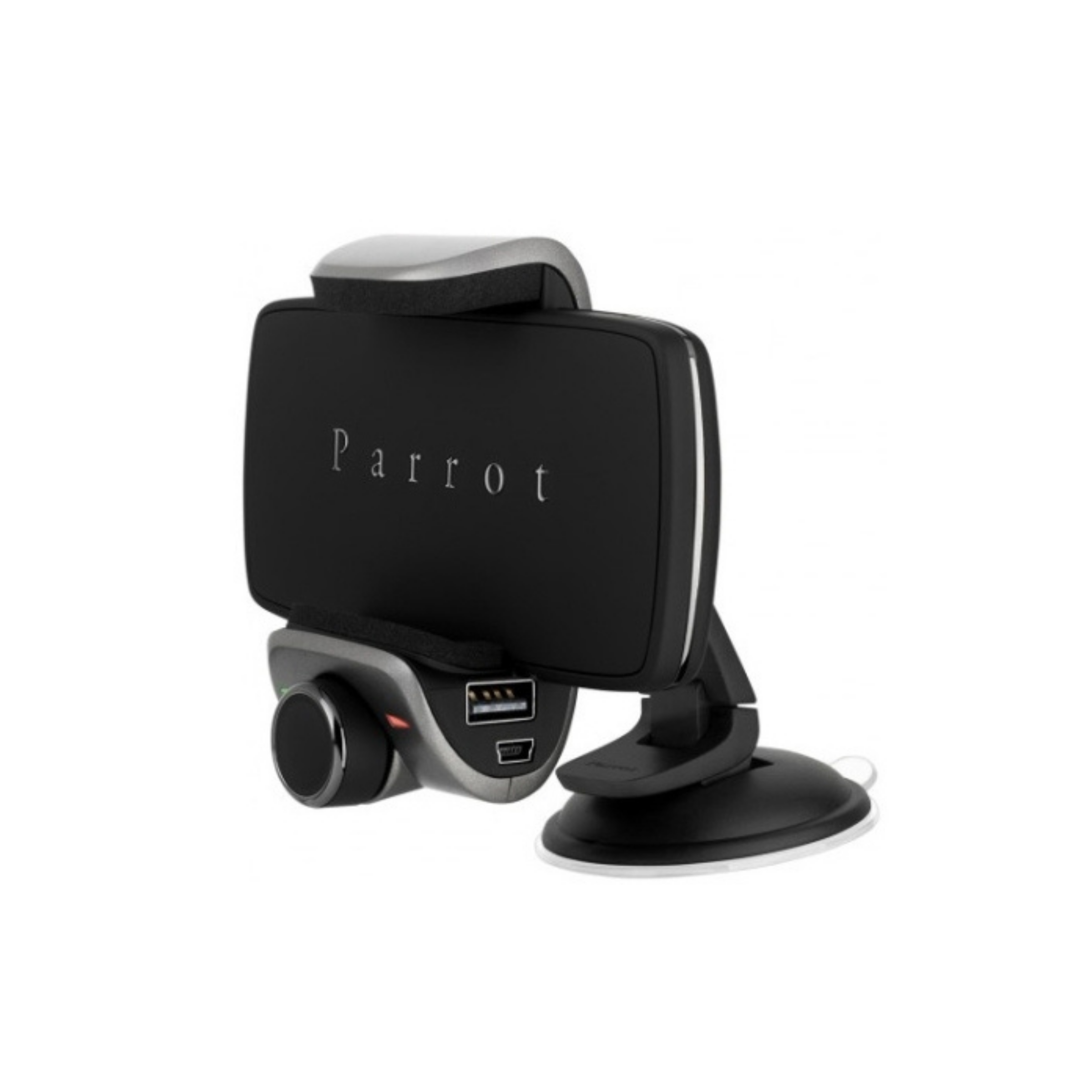
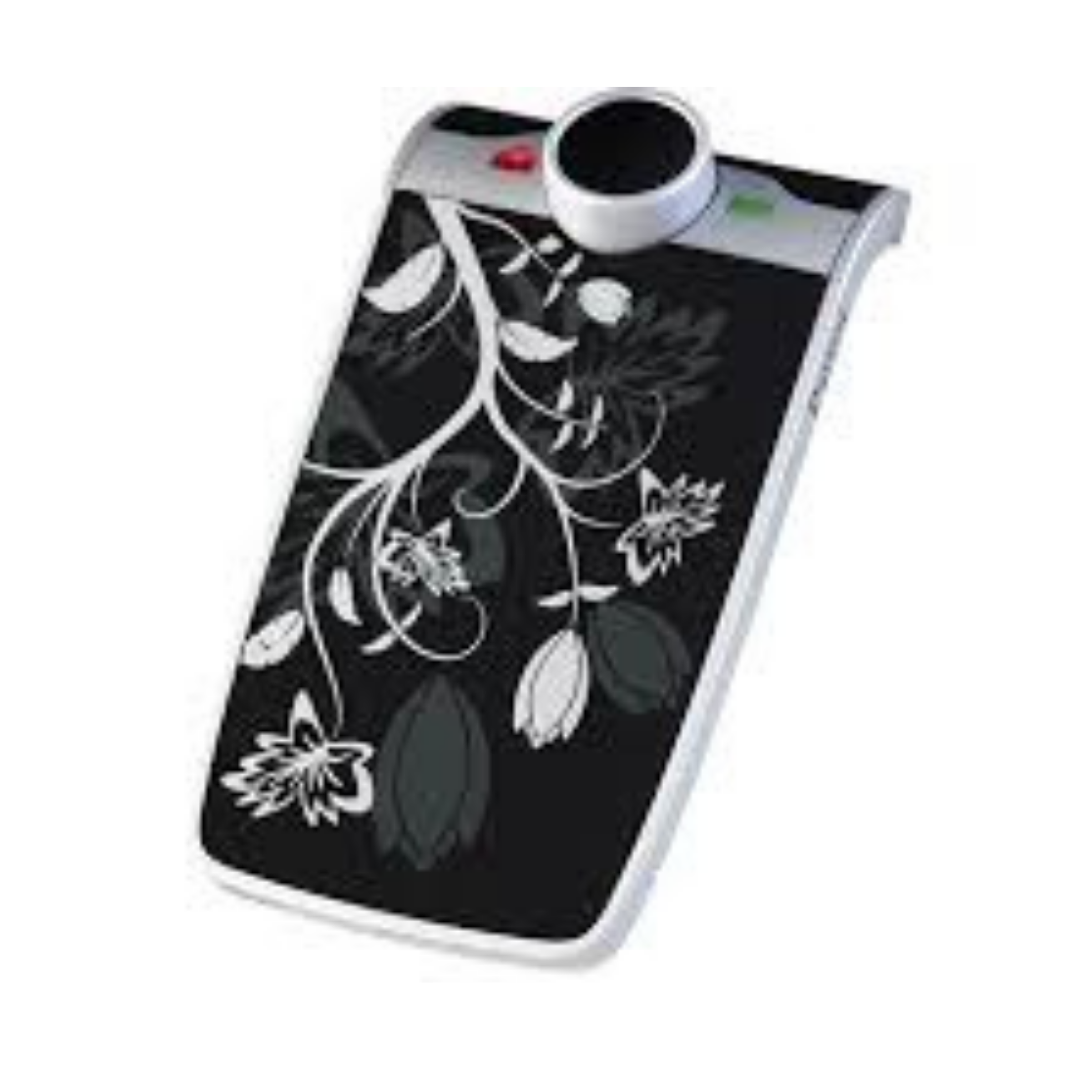
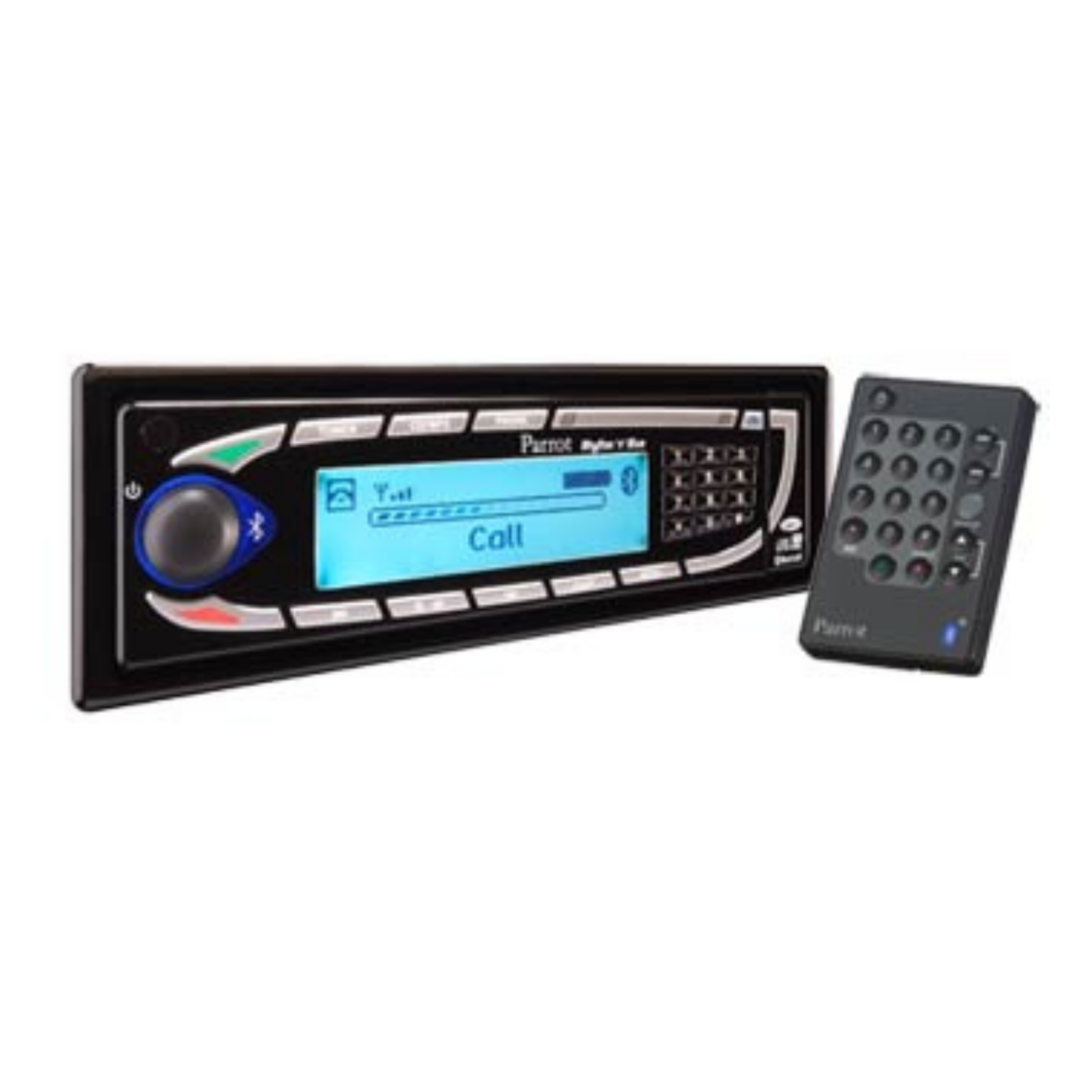
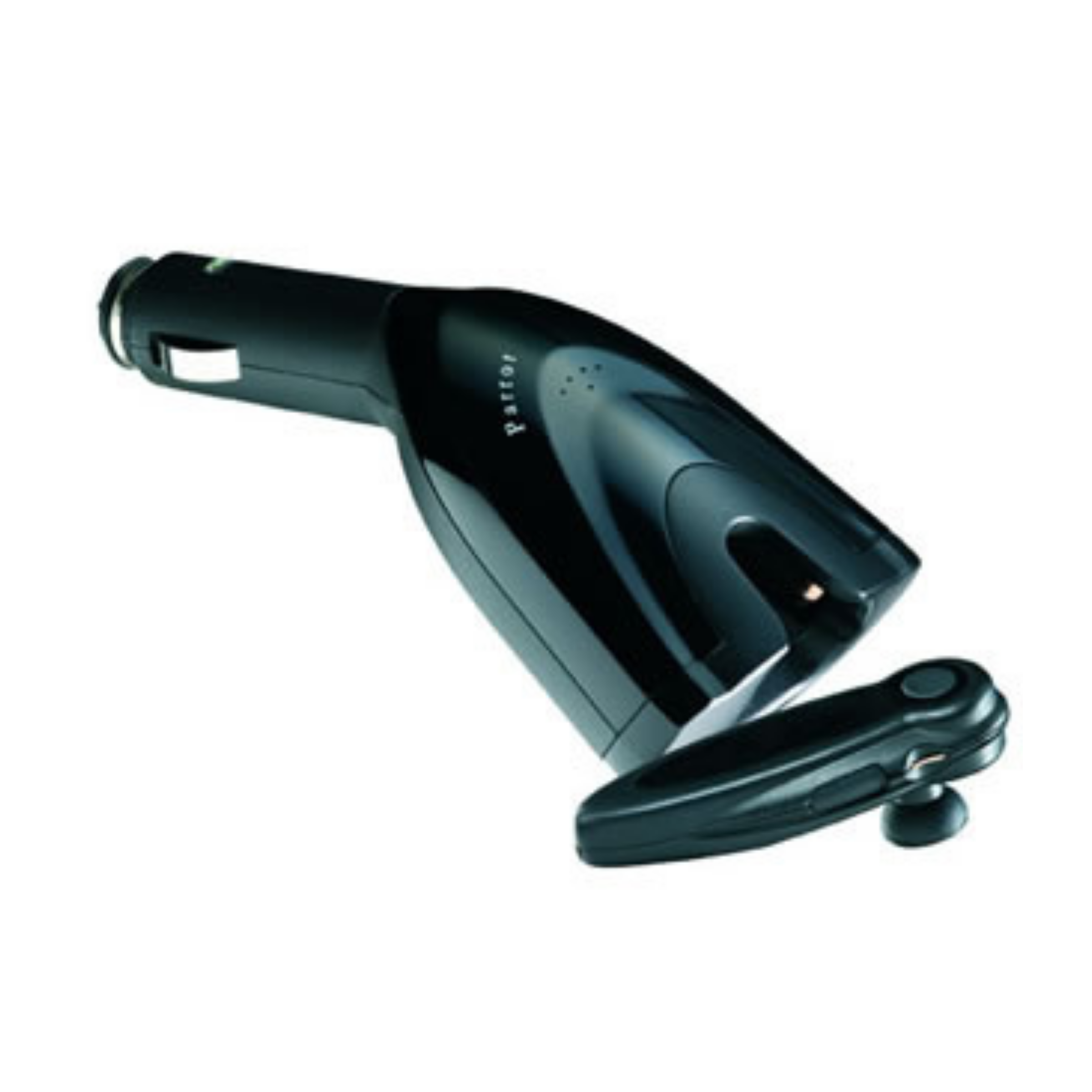
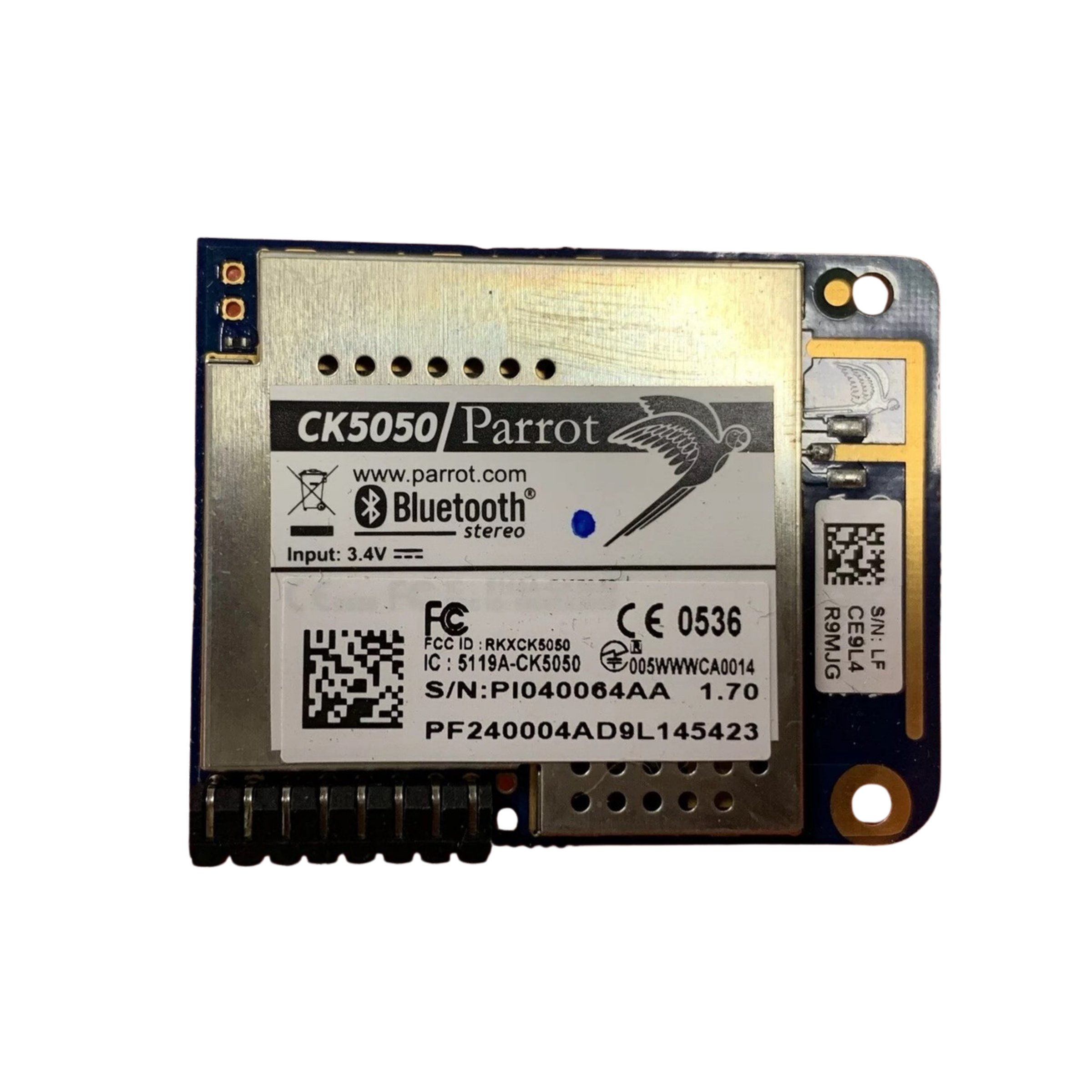
The product itself was hard to sell. Bluetooth pairing was still novel, the install required pulling apart your dashboard, and the DSP-3 noise-cancellation chip we were proud of was invisible. The only way to move it was positioning, and I built the positioning: safer driving, handsfree calling, a future you could retrofit into a car you already owned.
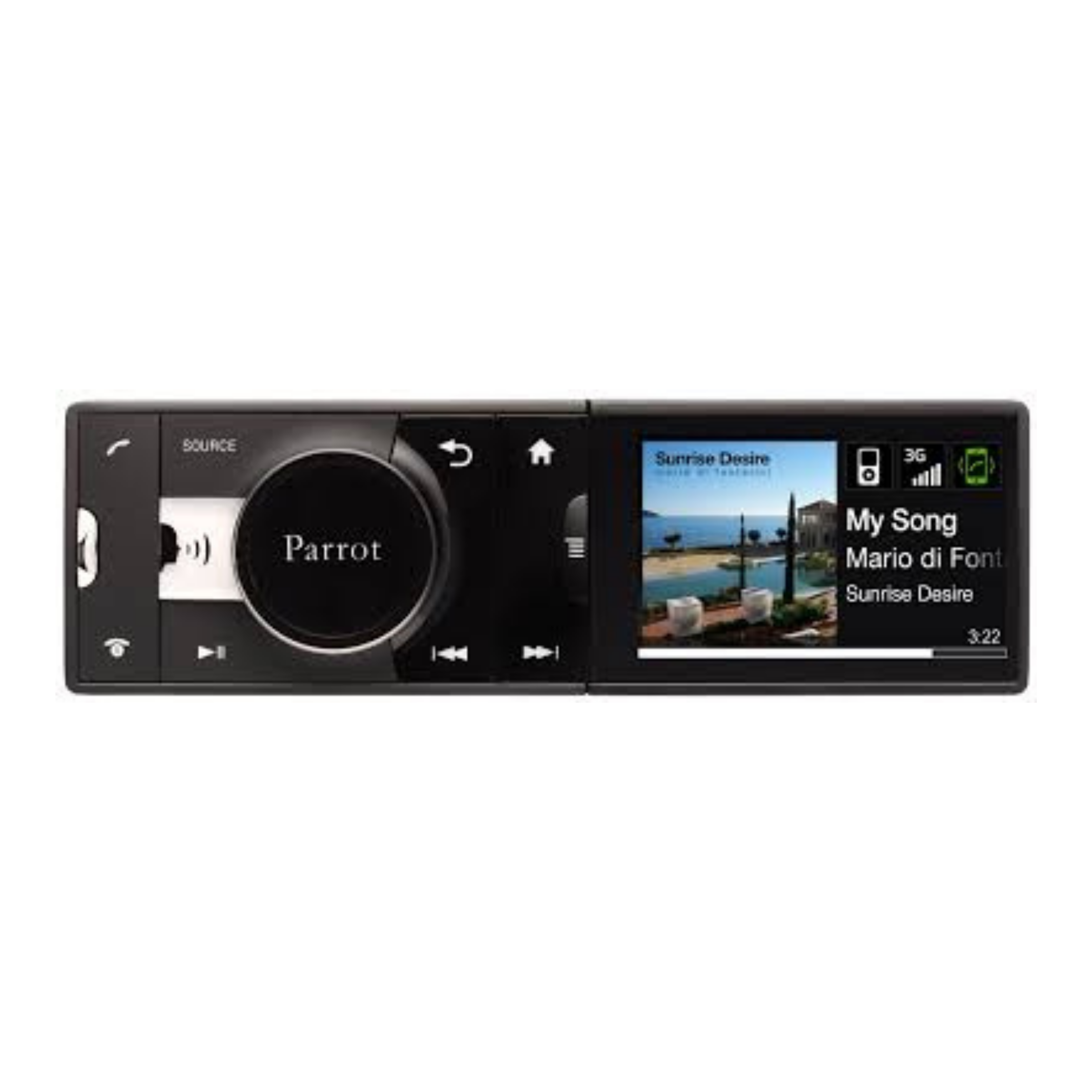
When Parrot launched the Asteroid in 2011, it was the world's first phone-powered aftermarket car stereo — three years before Apple CarPlay. You could essentially retrofit any car with full iOS music and calling. Against incumbents like Pioneer, the initial retail fight was brutal, so I changed the play: I went installer-first. We became the favorite of the dealers and auto shops who actually put the units in dashboards, and the sell-through followed.
The OEM business ran in parallel. Parrot was licensing its Bluetooth IP and DSP stack into Tier-1 suppliers and carmakers — Continental, McLaren, Volvo, Honda — trying to become the de facto Bluetooth technology in cars coming straight off the line. I was the North American face for that work wherever developer relations and customer engineering needed local hands.
Then 2008 happened. Henri flew over and let two-thirds of the North American company go in a single day. He left me, a young Sales Director, and a quirky CFO with one directive: keep the company alive; keep our jobs. We did. I held the marketing budget, the retail accounts, and the press story together with what was left of the team.
Two years later, at CES 2010, I launched the Parrot AR.Drone — the world's first consumer drone, the first iPhone-controlled flying robot, and the moment Parrot stopped being a car-kit company and became a household name.
Company Background
Automotive Product Line, Bluetooth Chipset Manufacturing, North American Business, and the Henri Seydoux Origin Story
Parrot SA is a thirty-one-year-old French wireless technology company headquartered in Paris that has lived three distinct corporate lives in succession. It started as a voice-recognition curiosity in 1994, became the dominant global player in aftermarket Bluetooth car kits between 2000 and roughly 2014, became famous as the first consumer-drone brand on the planet after its 2010 iOS-controlled AR.Drone launch, and today operates as a defense-and-enterprise micro-UAV company that finished 2025 at €79.8 million in revenue. The automotive business segment was once Parrot's largest segment, sold to Faurecia.
Parrot SA (ticker: PARRO) is publicly traded on the Euronext Paris stock exchange.
The Founder: Henri Seydoux's Improbable Path to Parrot
Henri Seydoux is one of the more unusual founder profiles in European tech because he was, and remains, a non-engineer running a technology hardware company. He was born in 1960 into the prominent French Seydoux-Fornier de Clausonne family — the same family whose other branches control Pathé (his father, Jérôme Seydoux) and Gaumont (his uncle Nicolas Seydoux), the two largest film companies in France. He is also the father of actress Léa Seydoux. He is married to Valérie Schlumberger, of the Schlumberger oilfield-services dynasty. The actress Léa Seydoux's biographical entry confirms the family's depth in French cultural and industrial power, and his Bloomberg and Crunchbase profiles confirm Seydoux himself is self-taught with no formal engineering or business degree.
His career path looks nothing like a typical hardware-CEO résumé:
- 1978–1980: Trainee, then journalist, at the French magazine Actuel.
- 1981: Sales team at the newspaper Le Matin de Paris.
- 1982–1984: Operating-system software developer at SSCI, then the firm Micro Archi.
- 1985: Founded BBS, marketing the Micro Archi operating system.
- 1986–1990: Founder, Chairman & MD of BSCA, an early synthetic-3D-imaging company.
- 1991: Co-founded the Christian Louboutin luxury shoe brand alongside Christian Louboutin and Bruno Chamberlain — Seydoux remains a shareholder and director to this day.
- 1994: Co-founded Parrot in Paris with Christine de Tourvel and Jean-Pierre Talvard.
The Louboutin and Parrot strands of his story are not just biographical color. Louboutin's official biography credits Seydoux as one of "two close friends" who put up the founding capital and "still play influential roles in the company" — the red-soled shoe empire and the French Bluetooth empire are linked at the cap table.
Seydoux has told the founding story of Parrot publicly several times — most candidly at a Klewel-recorded talk he gave around 2015. In his own telling, the first product idea was bad: a voice-recognition personal organizer called Voicemate, launched in 1995. The second idea was applying speech recognition to the car (good idea, terrible timing). The third idea — selling Bluetooth products to the car industry around 1999–2000 — was the one that worked. By his own account, when the company became profitable his venture-capital backers urged him to sell. He refused, telling them he was "not an engineer, just an entrepreneur" and could not realistically build another company like it from scratch — and decided instead to spawn new product lines inside Parrot, modeled on how Logitech had grown by making peripherals around the PC. Parrot would do the same around the cell phone.
That Logitech-of-the-mobile-phone thesis is the through-line that explains everything Parrot has ever done — car kits, Bluetooth headphones, Zik headphones designed by Philippe Starck, digital photo frames, wireless speakers, and ultimately AR.Drone.
FileParrot_Automotive_Deep_Research_Report.md